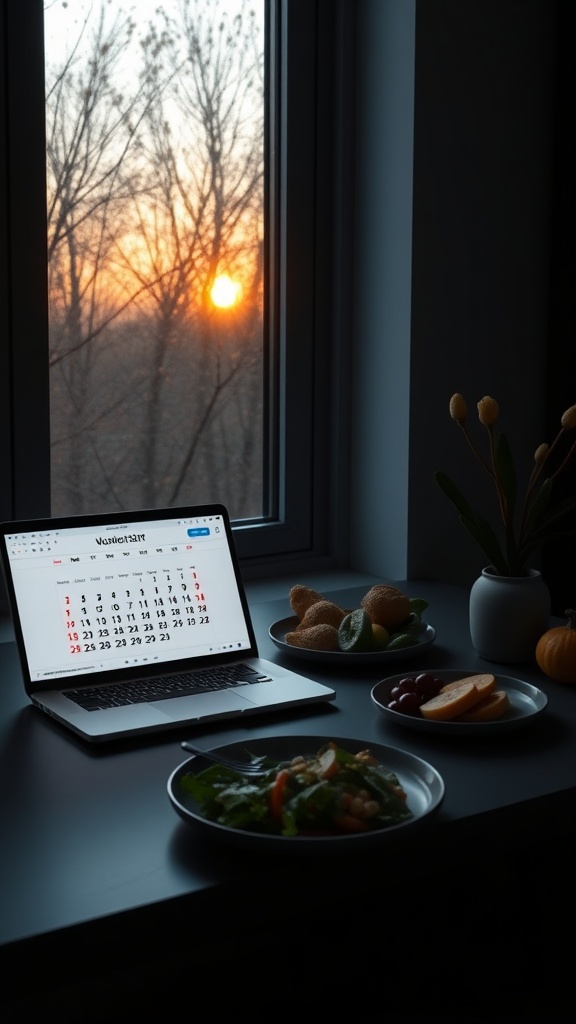
Bio‑Harmony Eating: Sync Meals with Circadian Rhythm

Hook
Ever wonder why you feel sluggish after lunch but energized after a late‑afternoon snack? Your internal clock might be to blame.
Context
If you’re a freelancer juggling client calls, project deadlines, and erratic sleep, aligning your meals with your circadian rhythm can boost metabolism, sharpen focus, and keep that 3 AM panic at bay.
What Is a Circadian Rhythm?
How does my body’s 24‑hour clock work?
Your suprachiasmatic nucleus (SCN) in the brain syncs to light cues, regulating hormone release, digestion, and energy expenditure. Mis‑timed eating throws this rhythm off, leading to insulin resistance and fatigue.
When Should You Eat?
What are the optimal windows for breakfast, lunch, and dinner?
- Morning (7 am–10 am): Your cortisol spikes, priming the body for glucose uptake. Aim for a protein‑rich breakfast to fuel the day.
- Mid‑day (12 pm–2 pm): Light, balanced meals keep blood sugar stable. Avoid heavy carbs that cause post‑lunch crashes.
- Late Afternoon (4 pm–6 pm): A small snack with healthy fats supports the evening melatonin surge without disrupting sleep.
- Evening (8 pm–10 pm): Finish eating at least two hours before bed to allow digestion and promote deep sleep.
How to Build a Bio‑Harmony Meal Schedule
What steps can I take right now?
- Map your current eating times – jot them down for a week.
- Shift the first meal earlier by 30 minutes each day until you hit the 7‑10 am window.
- Batch‑cook protein and veggies for mid‑day meals to avoid last‑minute fast‑food grabs.
- Set a “no‑eat after 9 pm” alarm on your phone or calendar.
- Track energy levels in a simple spreadsheet; adjust portions if you feel sluggish.
Pro Tips for Freelancers
How can I stay consistent on a chaotic schedule?
- Dark‑mode calendar alerts – set subtle notifications that don’t distract.
- Meal‑prep kits – pre‑portion snacks in reusable containers; they’re quick to grab between calls.
- Hydration sync – sip a glass of water each time you check your inbox; it keeps you hydrated and signals the body to stay alert.
Common Mistakes & Fixes
What pitfalls should I avoid?
- Skipping breakfast – leads to cortisol spikes later and cravings.
- Late‑night caffeine – interferes with melatonin; replace with herbal tea.
- Over‑eating at dinner – can cause digestive lag; keep portions to a palm‑sized protein serving.
Real‑World Results
Do these tweaks actually work?
A 2023 study from the Journal of Clinical Endocrinology found participants who ate within a 10‑hour window experienced a 12 % increase in insulin sensitivity compared to irregular eaters (Harvard Health Publishing, 2023). Another survey by the National Sleep Foundation reported 78 % of respondents felt more rested after adopting a consistent meal schedule.
Takeaway
Start small: shift your breakfast 30 minutes earlier, set a “no‑eat after 9 pm” reminder, and track how you feel. Within a week you’ll notice steadier energy, clearer focus, and fewer late‑night financial panic moments.
Related Reading
- 7 Bio‑Harmony Meal Ideas to Sync Your Metabolism This Spring — Quick ideas for meals that keep your clock ticking.
- Spring Hydration Reset: Infused Water Recipes to Sync Your Circadian Rhythm — Boost hydration while respecting your internal clock.
- Embracing Bio‑Harmony: Align Your Lifestyle with Your Circadian Rhythm This Spring — A broader look at bio‑harmony beyond food.