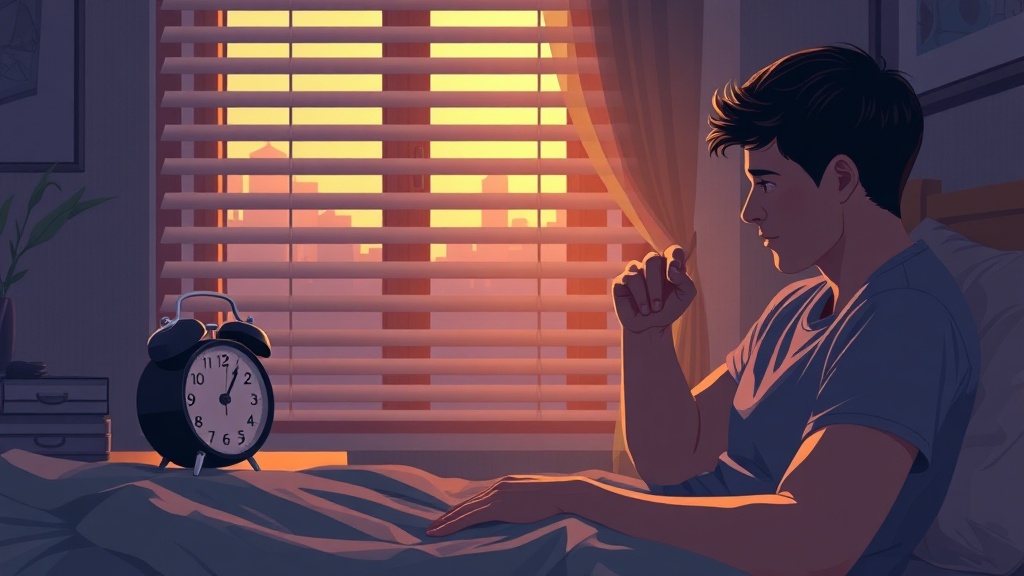
Daylight Saving Time Reset: How to Reboot Your Circadian Rhythm for Better Sleep and Productivity

Did the clock jump forward and leave you feeling like a zombie? It’s the first Sunday of March, and that extra hour of daylight can throw your whole body clock off balance. If you’re a freelancer juggling client calls, deadlines, and late‑night code, a misaligned sleep schedule can cost you focus and cash.
In this post I’ll show you how to shift bedtime, light exposure, and evening routines so the DST jump doesn’t sabotage your productivity. These are the exact steps I use to keep my own sleep on track after every spring change.
Why does Daylight Saving Time mess with my sleep?
Daylight Saving Time (DST) moves the clock forward one hour, which means the sun rises earlier and your body’s internal clock—your circadian rhythm—gets a sudden jolt. Your melatonin release, core body temperature, and alertness all follow a roughly 24‑hour cycle that’s calibrated to natural light. When the clock jumps, the light‑dark cue you rely on is out of sync, and you end up feeling groggy, irritable, and less productive.
How can I use light to reset my internal clock?
Light is the most powerful Zeitgeber (time‑giver) for your circadian system. Here’s what to do:
- Morning sunlight within 30 minutes. Get at least 15‑20 minutes of bright, natural light as soon as you can after waking. If it’s still dark, sit by a bright window or use a 10,000‑lux light box (look for a Healthline guide on safe usage).
- Avoid blue‑rich screens for the first hour. Even with dark‑mode apps, the blue wavelengths suppress melatonin. Switch to a phone’s “night shift” mode or wear blue‑blocking glasses.
- Evening dimming. About two hours before bed, dim the lights, turn off overhead LEDs, and use warm‑toned lamps. This signals to your brain that night is coming.
What bedtime routine tweaks will smooth the transition?
Freelancers love flexibility, but a consistent wind‑down routine is non‑negotiable after DST. Try these:
- Shift bedtime gradually. Move your sleep window by 15 minutes each night for three nights before the DST jump. If you normally sleep at 11 pm, aim for 10:45 pm, then 10:30 pm, and so on.
- Limit caffeine after 2 pm. The extra daylight can make you think you have more energy, but caffeine still lingers for up to six hours.
- Write a “next‑day” list. Dump work thoughts onto a page (or Notion board) so you don’t ruminate in bed. I keep a simple bullet list titled “Tomorrow’s Wins.”
- Temperature matters. Keep your bedroom cool—around 65°F (18°C). A cooler environment encourages the drop in core body temperature needed for sleep.
Can I use short naps to survive the first week?
Yes, but strategically. A 20‑minute power nap in the early afternoon can restore alertness without entering deep sleep, which would make you groggier. Set a timer; don’t let it become a habit that erodes nighttime sleep.
How do I protect my freelance productivity during the adjustment period?
Plan ahead:
- Batch high‑focus tasks for the morning. After you’ve gotten sunlight, your brain is naturally sharper. Reserve client calls and admin for later in the day.
- Use a “focus playlist.” I keep a 90‑minute instrumental mix that starts at 8 am and ends before my first coffee break. It creates a mental cue that it’s work time.
- Track sleep metrics. If you use a wearable, watch for a drop in total sleep time. Adjust your schedule the next day rather than pushing through fatigue.
What if the shift still leaves me exhausted?
Give yourself a grace period of up to five days. If you’re still feeling drained after that, consider a short‑term melatonin supplement (0.5 mg) taken 30 minutes before bedtime. I’ve used it once a year with no side effects, but talk to a doctor if you have health concerns.
Related Reading
- Bio‑Harmony Eating: Align Your Meals with Your Circadian Rhythm for Better Metabolism — How diet and light interact.
- Embracing Bio‑Harmony: Align Your Lifestyle with Your Circadian Rhythm This Spring — A broader look at springtime rhythm hacks.
- Spring Refresh: Revitalize Your Home and Routine for March 2026 — Home‑environment tweaks that complement sleep changes.
Takeaway
Daylight Saving Time doesn’t have to be a productivity nightmare. By controlling light exposure, nudging bedtime in small steps, and front‑loading focus‑intensive work, you can keep your circadian rhythm on track and stay profitable. Set your alarm, grab that light box, and treat the clock change like any other freelance system tweak—simple, measurable, and repeatable.