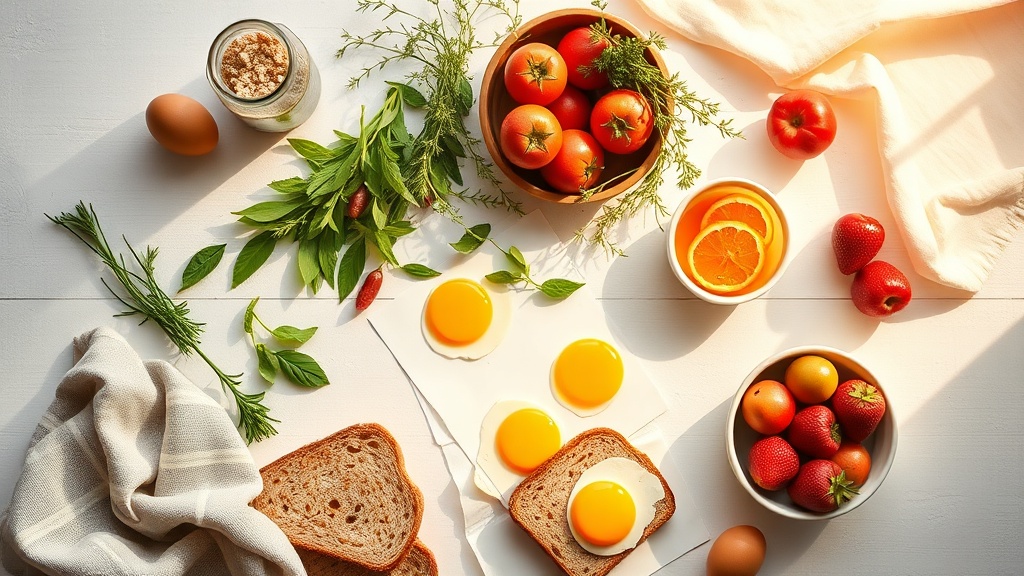
Easter Brunch Bio‑Harmony: 3 Circadian‑Friendly Recipes

Easter Brunch Bio‑Harmony: 3 Circadian‑Friendly Recipes
Hook:
Ever wake up after a holiday feast feeling foggy, bloated, and unable to focus? I’ve been there—late‑night egg hunts, sugary treats, and caffeine spikes can throw your internal clock sideways. The good news? A few smart brunch choices can get you back on track before the Easter lilies even bloom.
Context:
Bio‑harmony eating is the newest buzz in March 2026, marrying seasonal, whole‑food meals with timing that respects your circadian rhythm. For freelancers, stable energy means meeting deadlines without the 3 AM panic.
What is Bio‑Harmony Eating and Why Does Timing Matter?
Bio‑harmony is about aligning what you eat with when you eat it. Research shows that eating the bulk of calories earlier in the day supports metabolism and sleep quality (NIH, 2024). By syncing meals to daylight, you reinforce the natural rise and fall of cortisol and melatonin.
"Our bodies are tuned to the sun. When we eat against that rhythm, we invite metabolic chaos," says Dr. Laura Miller, chronobiology researcher at Harvard Health.
Which Seasonal Ingredients Keep Your Clock Ticking?
Spring offers a bounty of low‑glycemic, nutrient‑dense foods that are gentle on digestion and supportive of hormone balance. Look for:
- Fresh herbs (mint, basil, dill) — contain polyphenols that aid digestion.
- Whole‑grain breads — provide steady glucose release.
- Berries and stone fruits — high in antioxidants, low in sugar spikes.
- Eggs — a complete protein that stabilizes blood sugar.
Recipe #1: Herb‑Infused Avocado Toast with Soft‑Boiled Eggs
When to eat: 9:00 AM — early enough to kick‑start metabolism.
Ingredients:
- 2 slices of 100 % whole‑grain sourdough
- 1 ripe avocado, mashed
- 2 soft‑boiled eggs (6 min)
- Fresh dill and chives, chopped
- Lemon zest, sea salt, pepper
Steps:
- Toast the sourdough until golden.
- Spread mashed avocado, sprinkle dill, chives, and lemon zest.
- Top with sliced soft‑boiled eggs, season with salt and pepper.
Pro tip: Add a drizzle of cold‑pressed olive oil for extra omega‑3s, which help regulate inflammation.
Common mistake: Using overly ripe avocado—it turns mushy and spikes carbs.
Recipe #2: Spring Berry Quinoa Salad with Citrus Vinaigrette
When to eat: 11:30 AM — still before the post‑lunch dip.
Ingredients:
- 1 cup cooked quinoa, cooled
- ½ cup mixed berries (strawberries, blueberries)
- ¼ cup sliced almonds, toasted
- 2 tbsp chopped mint
- 3 tbsp orange juice, 1 tbsp apple cider vinegar, 1 tbsp honey, 2 tbsp olive oil
Steps:
- Toss quinoa with berries, almonds, and mint.
- Whisk together orange juice, vinegar, honey, and olive oil.
- Drizzle vinaigrette over salad, toss gently.
Pro tip: Prep quinoa the night before; cold grains are easier on digestion.
Common mistake: Over‑dressing — excess acid can irritate the gut.
Recipe #3: Light Lemon‑Glazed Salmon with Asparagus
When to eat: 1:30 PM — the last main course before the afternoon slump, keeping protein high to sustain energy.
Ingredients:
- 2 salmon fillets (≈150 g each)
- 1 tbsp lemon juice
- 1 tsp Dijon mustard
- 1 tbsp maple syrup (optional)
- 1 lb asparagus, trimmed
- Olive oil, salt, pepper
Steps:
- Preheat oven to 400°F (200°C).
- Mix lemon, mustard, and maple syrup; brush over salmon.
- Arrange salmon and asparagus on a sheet pan, drizzle with olive oil, season.
- Roast 12‑15 min until salmon flakes.
Pro tip: Serve with a side of fermented kimchi (small amount) to boost gut flora, which influences circadian signaling.
Common mistake: Over‑cooking salmon — dry fish spikes cortisol levels.
How to Time Your Brunch for Optimal Digestion and Sleep
- Start early. Aim to finish the main meal by 2 PM. Late‑day carbs can delay melatonin release (Sleep Foundation, 2025).
- Hydrate wisely. Sip warm water with a slice of lemon between courses. For a deeper dive, see my Spring Hydration Reset: Infused Water Recipes.
- Limit caffeine after 12 PM. A single espresso is fine, but avoid sugary coffee drinks that cause spikes.
- Take a short walk. Light movement aids glucose absorption and reinforces daylight cues.
Quick Recap
- Choose low‑glycemic, seasonal ingredients.
- Eat early and finish by early afternoon.
- Pair meals with hydration and light activity.
- Use timed protein (eggs, salmon) to sustain energy.
By treating Easter brunch as a bio‑harmony reset, you’ll enjoy the holiday without the post‑celebration crash.
Related Reading
- The Data‑Backed Rise of Bio‑Harmony Eating — deeper science on meal timing.
- Spring Equinox Meditation: Bio‑Harmony Steps to Boost Focus — a simple practice to align mind and body.
- Spring Tech Detox: Unplug, Reconnect with Nature for Bio‑Harmony — how digital breaks improve circadian health.
FAQs
What is bio‑harmony eating?
It’s a lifestyle that pairs whole‑food, seasonal meals with timing that matches your body’s natural clock, promoting steady energy and better sleep.
How can I time my Easter brunch for better sleep?
Finish the main meal by 2 PM, hydrate with lemon water, avoid caffeine after noon, and take a brief walk to aid digestion.
Which seasonal ingredients support circadian health?
Fresh herbs, whole‑grain breads, berries, eggs, and fatty fish like salmon provide nutrients that stabilize blood sugar and support hormone balance.
Takeaway:
Plan your Easter brunch around what, when, and how you eat. The three recipes above give you flavor, nutrition, and a circadian edge—so you can celebrate without the 3 AM panic.