
How to Build a Freelance Client Onboarding System That Actually Gets You Paid

Look, if your onboarding process is a couple emails and a vague “let’s get started,” you don’t have a system—you have a liability. And liabilities don’t just waste time. They cost you real money.
I learned this the hard way in 2017. $4,200 invoice. No contract. No deposit. Client vanished. I spent three weeks sending polite follow-ups like an idiot. That money never came back.
This guide is the system I built after that. It’s boring. It’s structured. And it works.
Step 1: Pre-Qualify Before You Even Talk

Here’s the thing: onboarding doesn’t start when you send a contract. It starts before the first call.
If you’re hopping on calls with anyone who emails you, you’re already losing.
You need a filter. A simple intake form that asks:
- Budget range (force them to pick one)
- Timeline
- Decision maker (if they say “team,” that’s a red flag)
- Project scope in their own words
If they won’t fill out a 5-minute form, they won’t respect your invoice.
Now you only get on calls with people who pass basic sanity checks. That alone will save you 10+ hours a month.
Step 2: Run a Controlled Discovery Call (Not a Free Consulting Session)

Let’s be real. Most freelancers use discovery calls as unpaid consulting.
You answer questions, solve problems, give strategy… and then the prospect disappears and hires someone cheaper.
Your call needs structure:
- Confirm goals
- Clarify scope
- Identify constraints (budget, timeline, tech)
- Set next steps clearly
That’s it. No brainstorming their entire business model.
(I once spent 90 minutes helping a startup fix their UX funnel. They said “this is incredibly helpful” and then ghosted. Don’t be that version of me.)
Step 3: Send a Tight Proposal Within 24 Hours
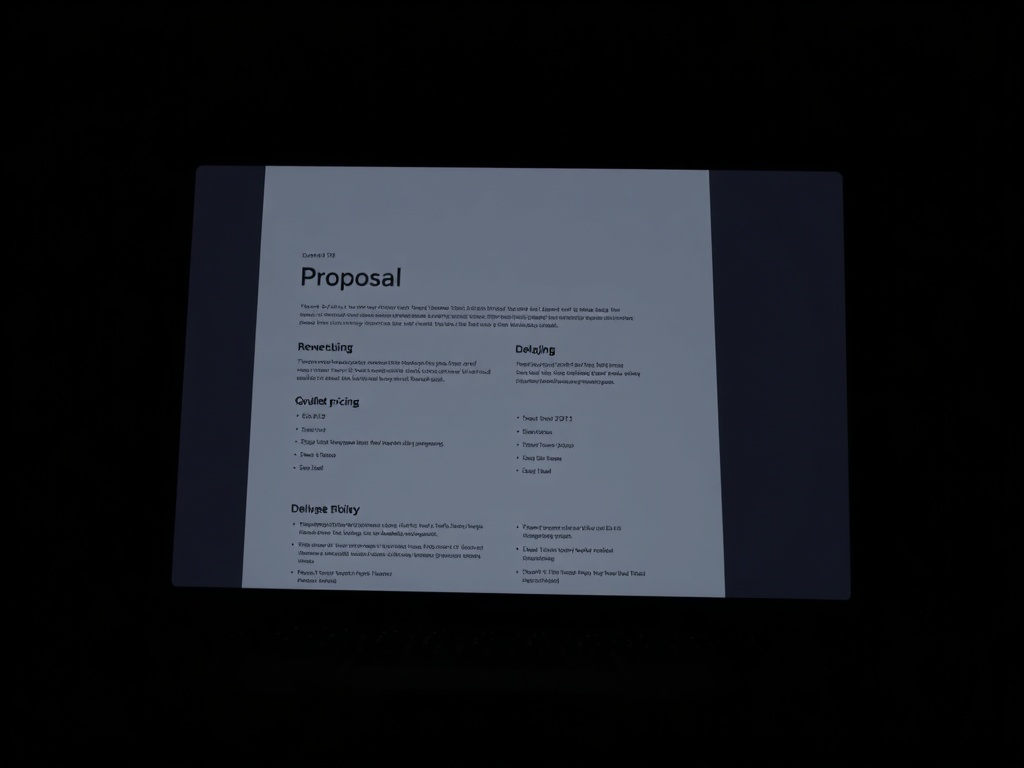
Speed matters. If you wait three days, you look disorganized.
Your proposal should include:
- Exact deliverables (no vague language)
- Timeline with milestones
- Total price (not “estimate”)
- Payment terms
No fluff. No “about me” section. They already talked to you.
And for the love of your future self—define scope clearly. “Homepage design” is not a scope. “1 homepage + 2 revision rounds + mobile layout” is.
Step 4: Require a 50% Deposit (Non-Negotiable)
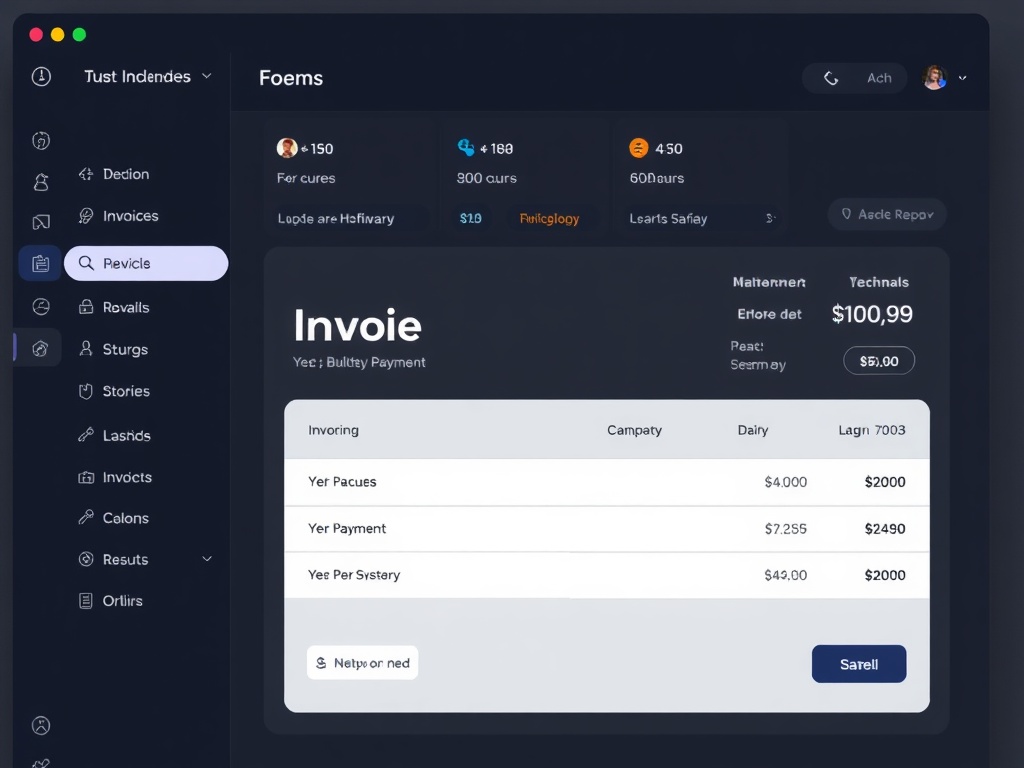
This is where most freelancers break.
They say, “I’ll invoice after the first milestone.” No. You’re not a bank.
You need:
- 50% upfront
- Work starts after payment clears
If a client pushes back, here’s the translation:
- “Can we do 25%?” → They don’t have cash
- “Our process doesn’t allow that” → Their process is your problem later
Walk away if needed. Seriously.
I didn’t enforce this once. That’s how I got the $4,200 lesson.
Step 5: Use a Contract That Covers Real Problems

Trust is a feeling. Paper is a fact.
Your contract needs to include:
- Payment schedule + late fees
- Scope definition
- Revision limits
- Kill fee (if they cancel mid-project)
If your contract is a generic template you downloaded in 10 minutes, you’re exposed.
Real contracts are built from real problems. Mine has clauses that exist because someone screwed me once.
Step 6: Create a Kickoff Packet (Stop Repeating Yourself)
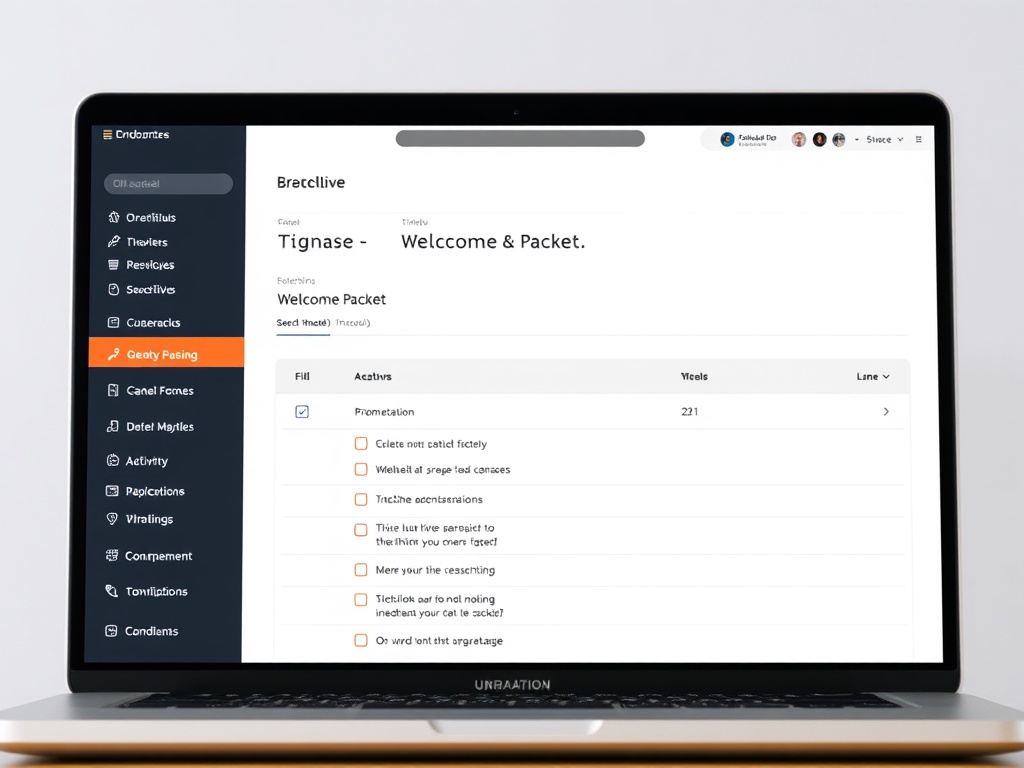
Every new client asks the same questions. Every time.
Instead of answering manually, create a kickoff packet:
- Communication rules (when/how to contact you)
- Project timeline
- Required assets checklist
- Feedback process
This does two things:
- Sets boundaries early
- Makes you look like a professional operation
Clients don’t respect freelancers who feel “ad hoc.” They respect systems.
Step 7: Control Communication From Day One
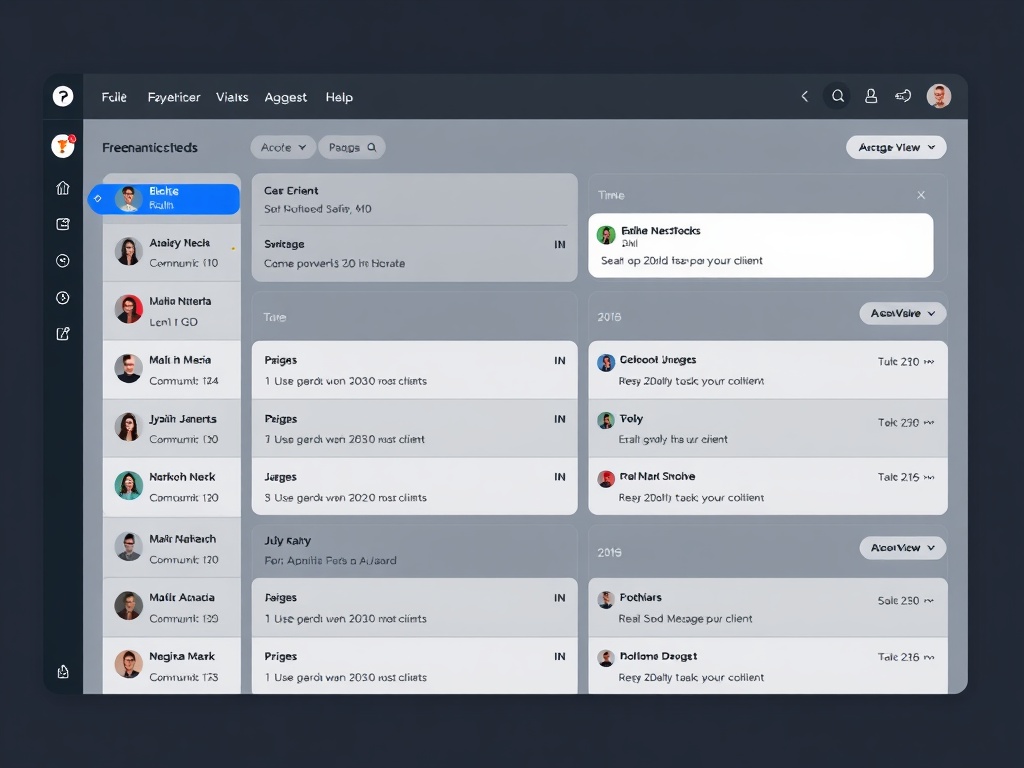
Here’s where projects go off the rails: communication.
If you don’t define it, clients will.
And their version looks like:
- Random Slack messages at 9 PM
- “Quick” calls that last 45 minutes
- Scope changes buried in email threads
Your system:
- One communication channel
- Response time expectations (e.g., 24 hours)
- Scheduled check-ins only
Boundaries aren’t rude. They’re operational.
Step 8: Automate What You Can (But Don’t Get Cute)
You don’t need 14 tools. You need a few things that work:
- Proposal + contract tool
- Invoicing system
- Simple CRM or tracker
Automate:
- Proposal sending
- Invoice reminders
- Welcome emails
But don’t overbuild. I’ve seen freelancers spend two weeks automating a process they run twice a month.
(I did this in 2019. Built a “perfect” system. Used it three times. Total waste.)
The System in Plain English
Here’s your onboarding pipeline:
- Intake form filters bad leads
- Structured call confirms fit
- Proposal defines scope + price
- Contract protects you
- Deposit proves commitment
- Kickoff packet sets expectations
- Communication stays controlled
That’s it. No magic. No hacks. Just structure.
What Happens If You Don’t Do This
You already know.
- Scope creep
- Late payments
- Client confusion
- 3 AM anxiety
That’s not “part of freelancing.” That’s a broken system.
Fix the system, and most of those problems disappear.
Final Reality Check
Clients don’t magically respect you more when you “get better.”
They respect the structure you enforce.
Every step above is about one thing: removing ambiguity.
Ambiguity is where freelancers lose money.
Now go fix your onboarding before your next client teaches you the same $4,200 lesson.
Steps
- 1
Pre-Qualify Leads Before Calls
- 2
Run a Structured Discovery Call
- 3
Send a Clear Proposal Quickly
- 4
Require a 50% Deposit
- 5
Use a Protective Contract
- 6
Create a Kickoff Packet
- 7
Control Communication
- 8
Automate Key Steps