
The No-BS Guide to Managing Freelance Cash Flow

Quick Tip
This guide will help you set sustainable freelance cash flow systems, with tips on rates, contracts, and payment terms.
Look, if you're struggling with cash flow as a freelancer, you're not alone. The difference between staying solvent and spiraling into debt often comes down to one simple thing: understanding your numbers.
In this quick tip guide, we're going to break down how you can keep cash flow predictable and sustainable without the fluff. Let's get to the essentials.
1. Set Your Rates Right (Don't Sell Yourself Short)
The first step to a steady cash flow is making sure you're charging enough. Don't be that freelancer who undercuts their rates just to get work. Here's the math: if you don't charge enough to cover your business expenses (taxes, software, etc.), you're not a freelancer—you're a hobbyist.

Do the math. Add up your overhead costs—insurance, taxes, subscriptions, everything. Then, figure out how much you need to make each month. That's your baseline rate. Anything below that is just a quick ticket to burn out.
2. Create Payment Terms That Protect You
Payment terms are your lifeline. Don't just send an invoice and hope for the best. A good contract includes clear payment terms, like requiring 50% upfront. If a client balks at this, they're not 'budget-conscious'—they're a liability. Trust me, I've been burned by this.
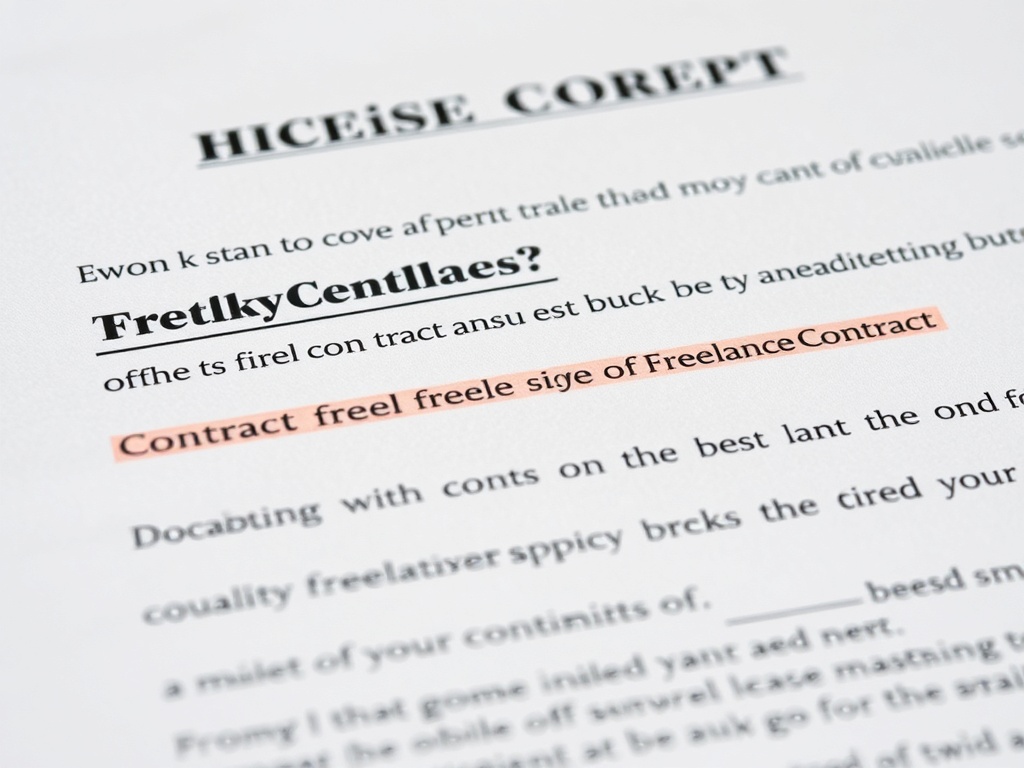
If you don't include these clauses, you're setting yourself up for unpaid invoices and wasted time. And don't let clients push back. The moment they say, 'Oh, we don’t normally pay upfront,' that’s your cue to walk away.
3. Use Cash Flow Tools and Automate What You Can
Tools are your best friend when it comes to managing cash flow. Get a good invoicing software (quick plug: use something with dark mode). Automate as much as you can—send recurring invoices, reminders for overdue payments, and get your system in place.
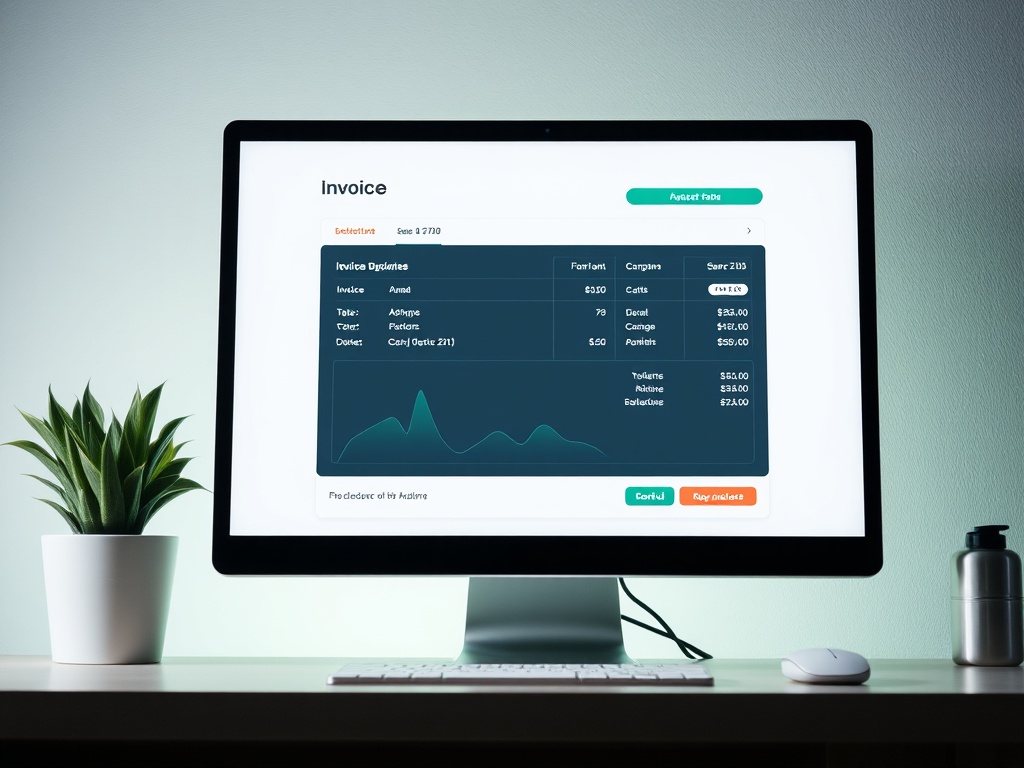
Stop chasing clients for payments every month. Set it up so that invoices go out automatically, and overdue notices get sent on a schedule. This ensures you're not scrambling when it's time to pay bills.
4. Separate Personal and Business Finances
This should go without saying, but I’ve seen freelancers fail because they didn’t separate their personal and business accounts. Open a separate account for your business income, and use it only for business expenses.
Mixing the two is a recipe for disaster. You're setting yourself up for tax headaches and missed deductions. It’s much harder to track your actual profits if you’re paying for groceries out of the same account you're paying for software subscriptions.
5. Keep a Buffer Fund for Lean Times
Freelancing isn’t a 9-to-5 job. One month, you might land a big project, and the next, crickets. That's why you need a buffer fund—save at least three months' worth of expenses in a separate account. If cash flow dips, you’ve got a safety net to keep the business running without panicking.

Without this, you’ll find yourself in the 'feast or famine' cycle. Prepare for the lean times, and don’t let the highs trick you into thinking the good times will last forever.
6. Don't Be Afraid to Raise Your Rates
Look, you should be raising your rates at least once a year. It's not greedy—it’s smart business. If you're not constantly adjusting for inflation, higher costs, and your own growing expertise, you're just leaving money on the table.
If you don't feel comfortable doing this, try incrementally increasing your rates with every new contract. It’s an easier way to adjust and gives you the freedom to price yourself where you truly belong.
Conclusion: Protect Your Solvency
In the end, cash flow is about protecting your downside. Your business can survive without a million-dollar client—but it won’t survive if you’re chasing down payments and undercharging.
So take a hard look at your systems, tighten up your payment terms, and start thinking about cash flow as a foundation to build on. It’s all about sustainability, not hustle.
Now go fix it.