Mindful Spring Gardening: Cultivating a Bio‑Harmony Outdoor Space

Mindful Spring Gardening: Cultivating a Bio‑Harmony Outdoor Space
Ever felt the stress of a deadline melt away as your hands dig into fresh soil? That moment isn’t magic—it’s the science of bio‑harmony in action. In this post I’ll show you how to turn a simple garden into a daily wellness ritual that syncs your circadian rhythm, cuts cortisol, and keeps your freelance business running on solid ground.
Why Does Spring Matter for Bio‑Harmony?
Spring is the body’s natural reset button. Daylight lengthens, temperatures rise, and the earth bursts into life. Those cues trigger hormonal shifts that support alertness, mood, and metabolism. By aligning your gardening schedule with sunrise and sunset, you can ride that wave instead of fighting it.
What Are the Core Elements of a Bio‑Harmony Garden?
Think of a garden as a three‑part system: soil contact, planting schedule, and sensory immersion. Each part feeds a different aspect of your nervous system.
How Does Soil Contact Reduce Stress?
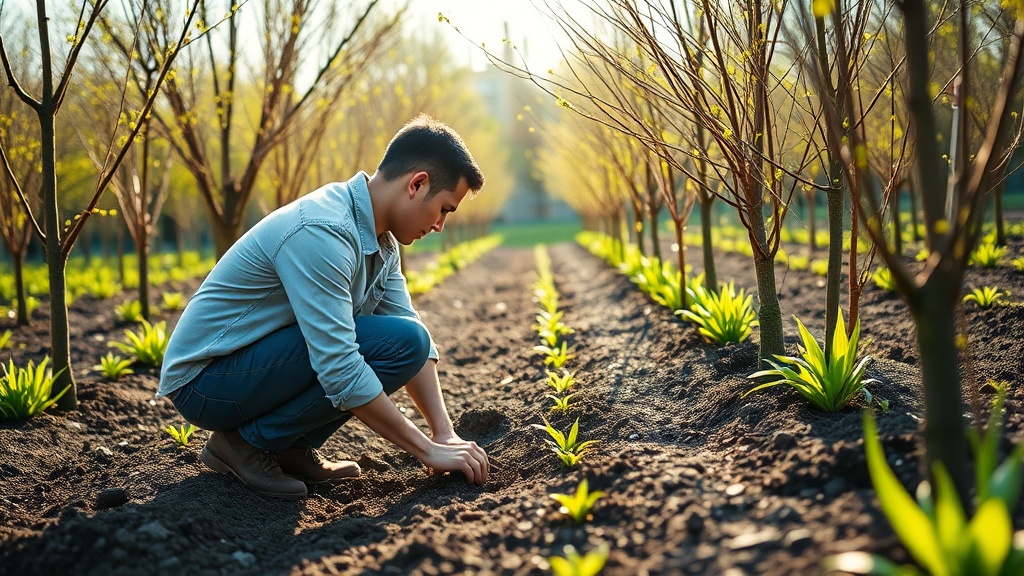
Research shows that twice‑weekly gardening improves mental health and reduces anxiety. The act of touching soil triggers the release of serotonin and lowers cortisol. I make it a habit to spend at least ten minutes each morning feeling the earth between my fingers before I open my laptop.
Which Plants Support Circadian Rhythm?
Plants that bloom with the sunrise—like morning glories, snapdragons, and certain herbs—emit light‑reflecting pigments that reinforce your body’s internal clock. A study in Frontiers (2026) found that regular exposure to green spaces improves sleep quality and stabilizes melatonin cycles.
How Can I Make the Garden a Mindful Practice?
Turn each planting session into a mini‑meditation. Before you plant a seed, pause, inhale the scent of the soil, set an intention (e.g., "I’ll stay focused on this client proposal"). Then plant, water, and watch. The ritual anchors your mental state the same way a well‑crafted contract anchors a client relationship.
What Steps Do I Need to Set Up My Spring Bio‑Harmony Garden?
- Assess Your Space. Even a balcony counts. Measure the square footage and note sunlight patterns.
- Choose Bio‑Harmony Plants. Mix fast‑growing herbs (basil, mint) with seasonal annuals (zinnias, marigolds) that bloom in the first weeks of spring.
- Prep the Soil. Use a 1:1 mix of compost and native soil. I add a pinch of my favorite dark‑mode coffee grounds for nitrogen—no waste, no fluff.
- Set a Planting Calendar. Align planting dates with sunrise. In March, start seedlings after the last frost; in April, move them to full sun.
- Schedule Daily Micro‑Sessions. Ten minutes at sunrise for soil contact, ten minutes at sunset for watering and reflection.
What Are Common Mistakes Freelancers Make With Garden Wellness?
- Skipping Soil Contact. You can’t reap the stress‑relief benefits if you never touch the dirt.
- Ignoring Light Patterns. Planting shade‑loving herbs in full sun burns both plants and your mood.
- Over‑watering. Too much water dilutes the grounding effect and forces extra chores—time you could spend invoicing.
How Does This Fit Into My Freelance Workflow?
Think of your garden as a low‑cost, high‑ROI tool. It costs a few seeds and a half‑hour a day, but it pays back in mental clarity, reduced burnout, and better client focus. I track my garden minutes in the same spreadsheet I use for billable hours—no separate system, no fluff.
What’s the Immediate Takeaway?
Start small. Pick one pot, add soil, plant a basil seed, and spend ten minutes breathing in the scent each morning for a week. Notice the shift in your stress levels and the clarity it brings to your next client call. Then scale up as you feel the rhythm.
Related Reading
- Spring Equinox Meditation: Bio‑Harmony Steps to Boost Focus — How sunrise rituals prime your brain for the day.
- Spring Digital Declutter: Organize Your Devices for Better Sleep and Productivity — Pair your garden routine with a clean tech environment.
- Embracing Bio‑Harmony: Align Your Lifestyle with Your Circadian Rhythm This Spring — The broader framework that this garden practice fits into.
Remember: “Trust is a feeling, paper is a fact.” When you trust the soil, you’re building a concrete fact‑based foundation for your mental health.