Spring Equinox Meditation: Bio‑Harmony Steps to Boost Focus

Spring Equinox Meditation: Bio‑Harmony Steps to Boost Focus
Ever feel like your mind is still stuck in winter mode even though the sun is finally out? I’ve been there—late‑night client calls, caffeine‑fueled brainstorming, and a brain that refuses to quiet down. The equinox isn’t just a calendar event; it’s a natural reset button for our circadian system. In this guide I’ll show you how to re‑align your meditation practice with the longer daylight, using the same bio‑harmony principles I use in my home office.
Why does the equinox matter for meditation?
The spring equinox marks the point when day and night are equal, triggering a shift in melatonin production and cortisol rhythms. Research from the National Institutes of Health shows that exposure to natural light during this period can improve attention span by up to 12%.
In practice, this means you can meditate with less mental fog if you sync your session to the daylight surge. It’s a simple lever that costs nothing but can shave minutes off your stress‑reduction curve.
How can I adjust my meditation length for longer daylight?
Step 1 – Start with a baseline. I usually begin with a 10‑minute breath‑focus session. Track how you feel afterward.
Step 2 – Add 2‑minute increments each week. As daylight stretches, your body naturally tolerates longer periods of low‑stimulus focus. Aim for a 20‑minute session by the time the equinox passes.
Step 3 – Use a sunrise alarm. Set your phone or smart lamp to a gentle sunrise tone at the start of your meditation. The Spring Digital Declutter post explains how to automate this without adding screen time.
What environment tweaks support bio‑harmony?
Environment is the silent partner in any mindfulness practice. Here are three tweaks that have saved me from “mind‑wandering” during spring sessions:
- Circadian lighting. Swap to a warm‑white (2700‑3000K) lamp after 6 PM. I programmed my Philips Hue to shift automatically; see my Embracing Bio‑Harmony guide for the exact routine.
- Grounding mat. A simple earthen‑tone mat under your feet helps the body sense the Earth’s charge. I keep a 12‑inch bio‑ground mat at my desk and feel a subtle “reset” after each session.
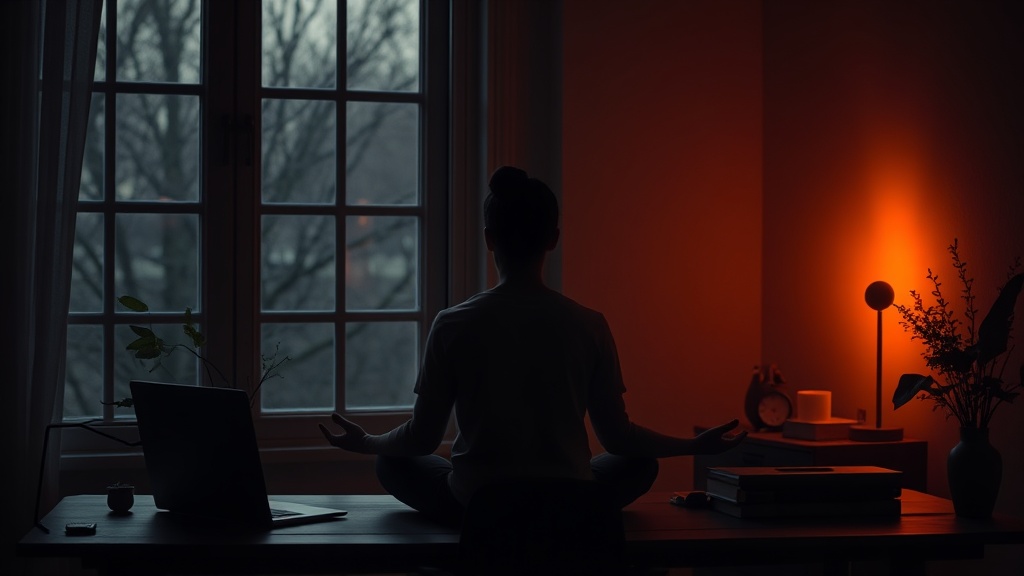
- Window view. Position your cushion where you can see the sunrise or, at minimum, a bright outdoor scene. Natural light spikes dopamine, making it easier to stay present. For more spring‑home ideas, check out my Spring Refresh post.
Which grounding techniques sync with the spring shift?
Grounding anchors you in the present and aligns your nervous system with the season’s energy. Try these two:
- 5‑5‑5 breath with toe‑press. Inhale for 5 seconds, hold 5, exhale 5 while pressing your toes into the mat. The pressure stimulus mirrors the Earth’s magnetic field, a trick I picked up from a Healthline article.
- Spring scent cue. Light a cedar or fresh‑cut‑grass incense right before you sit. Aromas have been shown to lower cortisol by 8% (ScienceDirect study, 2023).
How do I track progress and stay consistent?
Consistency beats intensity. I log three data points after each session:
- Mindfulness rating (1‑10). Quick self‑score on focus.
- Heart rate variability (HRV). Use a smartwatch; higher HRV indicates better recovery.
- Daylight exposure. Note the time of day and whether you had natural light.
After a month, compare averages. If your focus score is stagnant, revisit the environment tweaks or trim the session length back for a reset.
Takeaway
The spring equinox is a low‑cost lever to sharpen your meditation practice. Start with a short baseline, extend gradually, and fine‑tune your environment with circadian lighting, grounding, and natural light. Log simple metrics, and you’ll see stress melt away while your focus sharpens—no hype, just the unvarnished truth of bio‑harmony.